Discover Cafe Kotodama
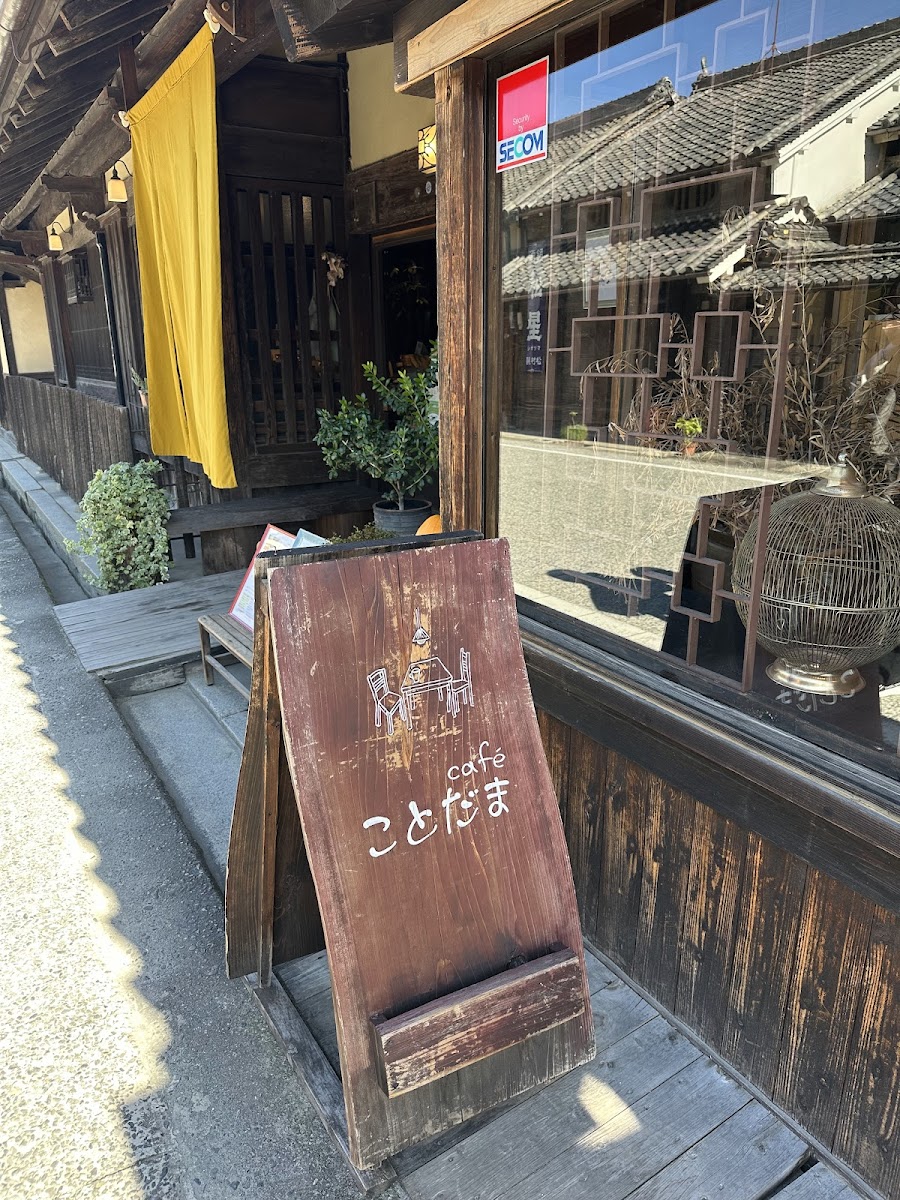
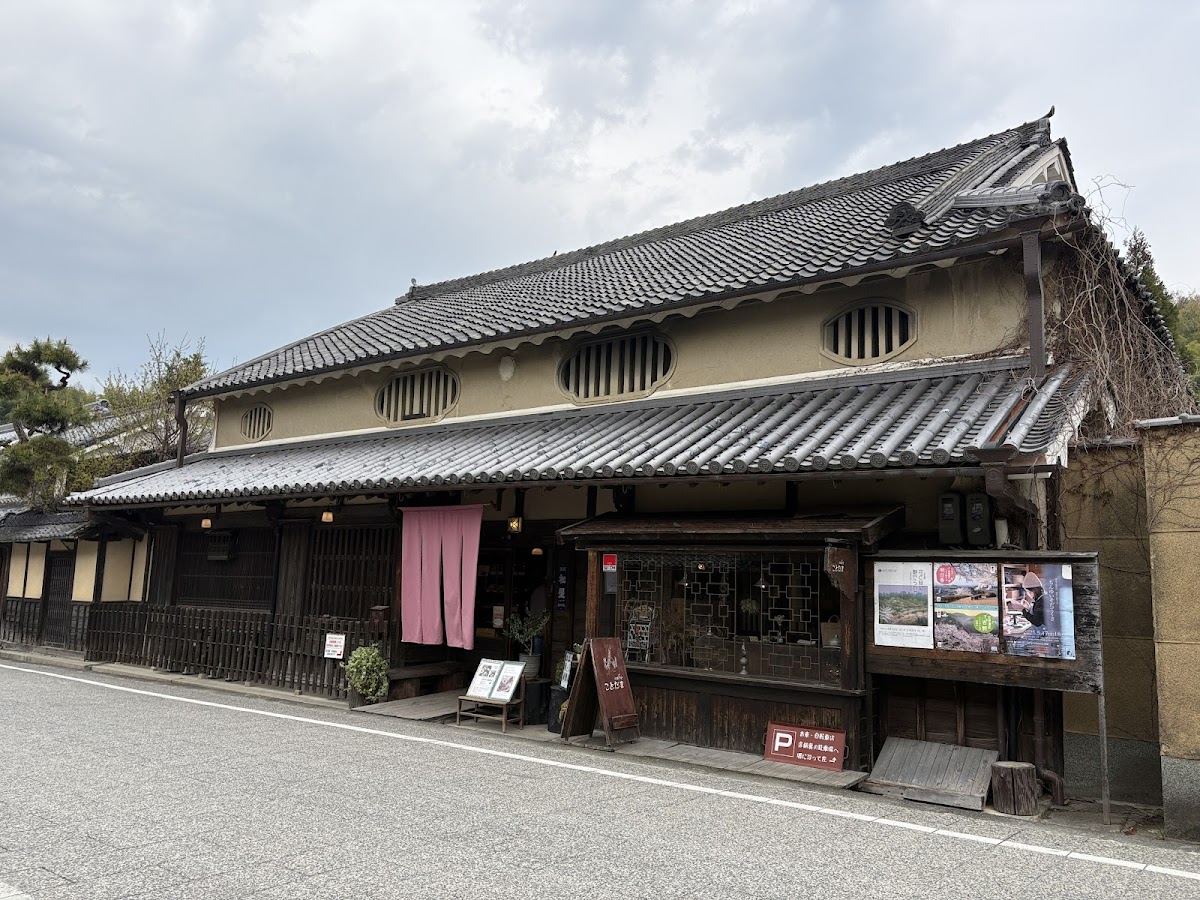
Tucked away in the quiet countryside of Asuka, Cafe Kotodama at 1223 Oka, Asuka, Takaichi District, Nara 634-0111, Japan feels less like a commercial café and more like being invited into someone’s thoughtfully restored home. I remember the first time I visited; I had been cycling through the historic village, passing rice fields and ancient kofun burial mounds, when a local guide casually mentioned this spot as a must-visit for anyone serious about seasonal Japanese cuisine. He wasn’t exaggerating.
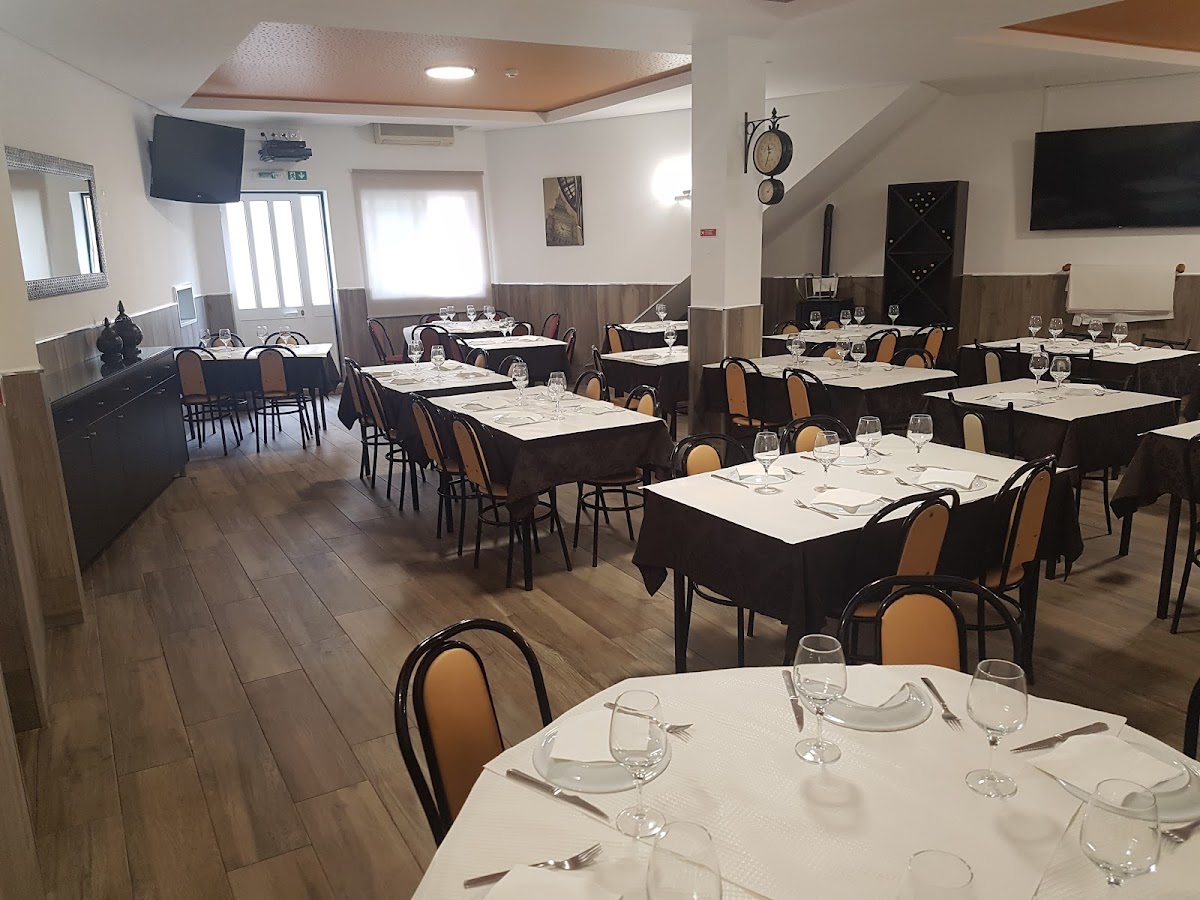
The café is set inside a renovated traditional townhouse, and that architectural choice matters. According to preservation guidelines promoted by Japan’s Agency for Cultural Affairs, adaptive reuse of kominka houses helps sustain rural heritage while supporting local economies. Here, that philosophy is alive and tangible. Wooden beams, sliding doors, and soft natural light create an atmosphere that instantly slows you down. It’s the kind of place where time stretches, and your phone naturally stays in your pocket.
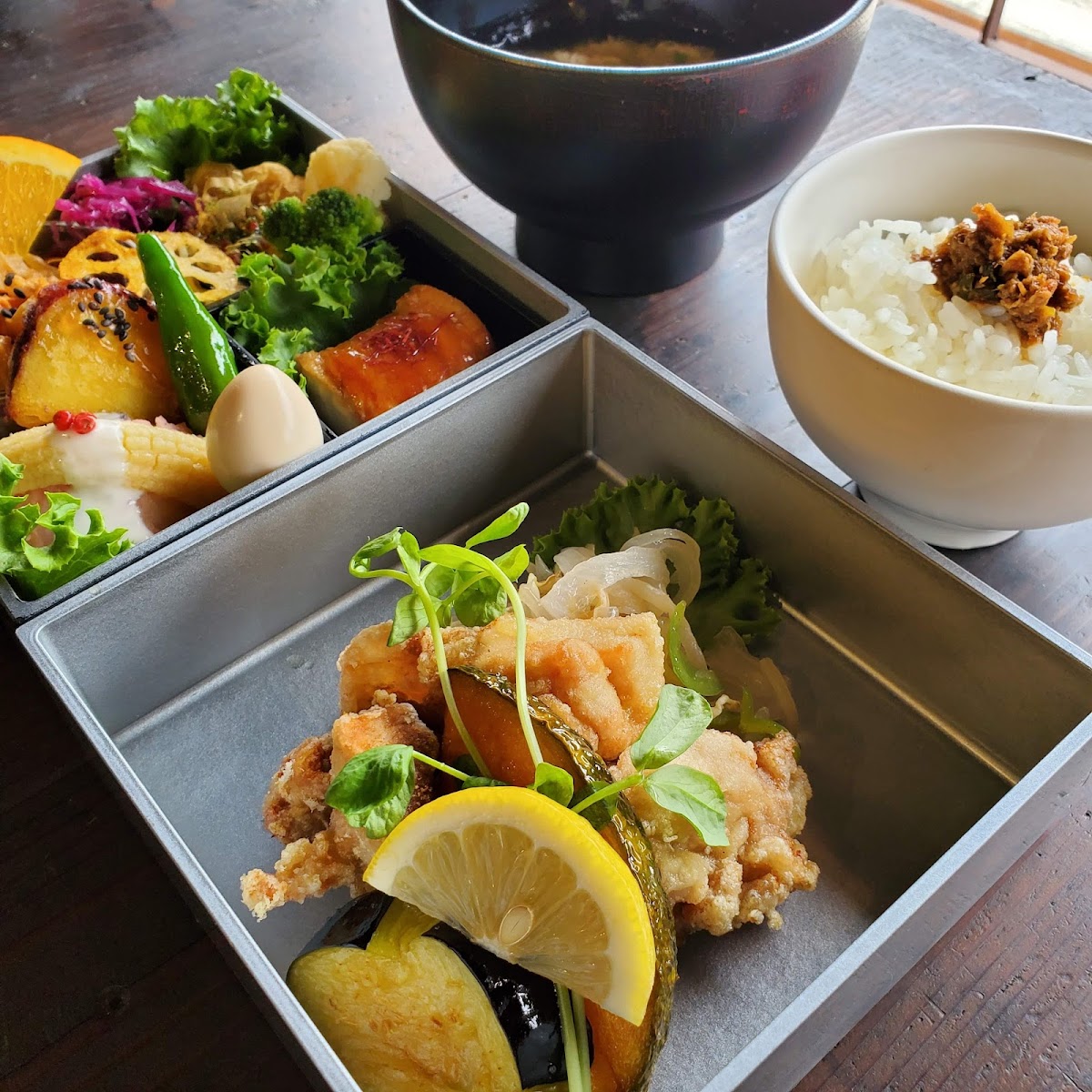
The menu reflects a deep respect for local produce from Nara Prefecture. Asuka is known for its fresh vegetables and rice, and many of the ingredients used here are sourced from nearby farms. On my last visit, I ordered a seasonal lunch set featuring vibrant vegetable side dishes, miso soup, and perfectly cooked rice. Each plate was arranged with care, almost like a kaiseki-inspired presentation, yet without the formality. You can taste the difference when vegetables are harvested the same morning; their sweetness is subtle but unmistakable.
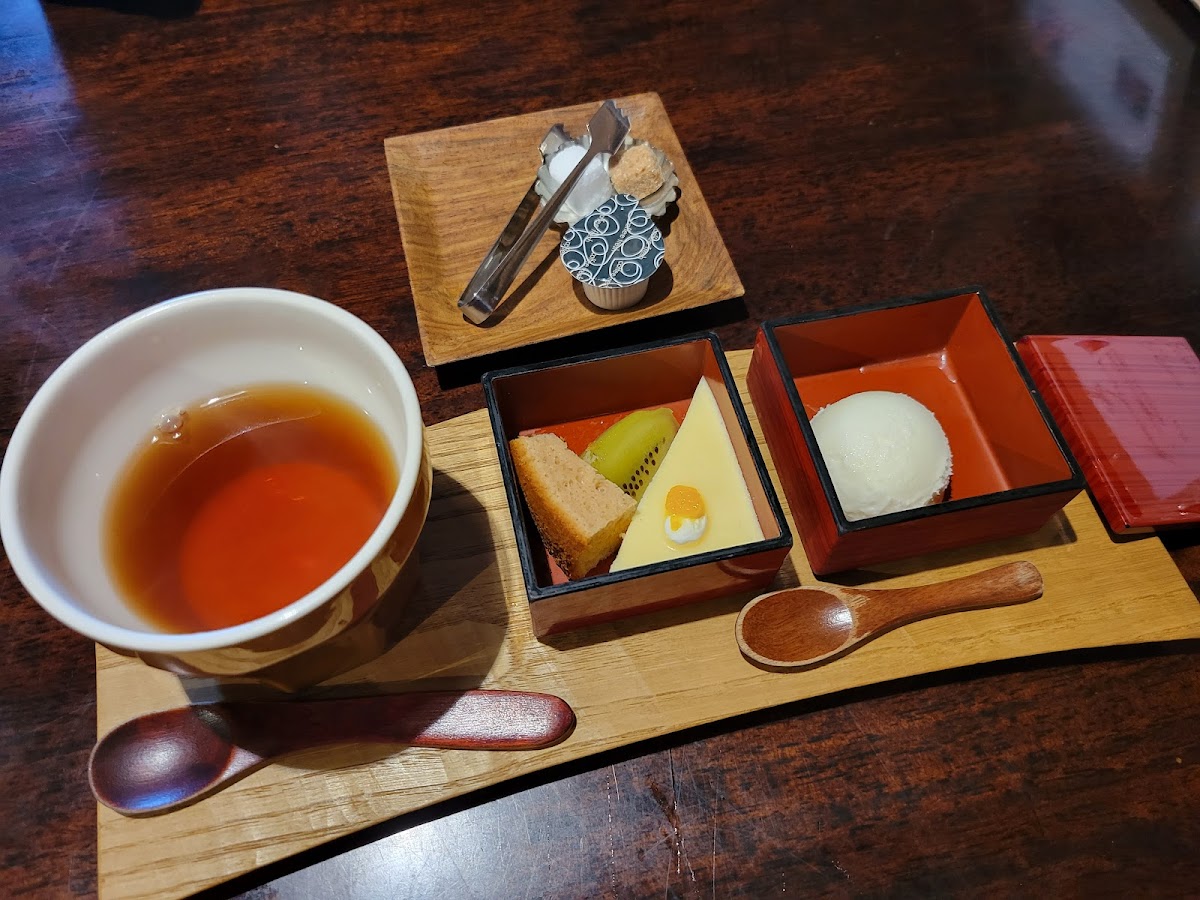
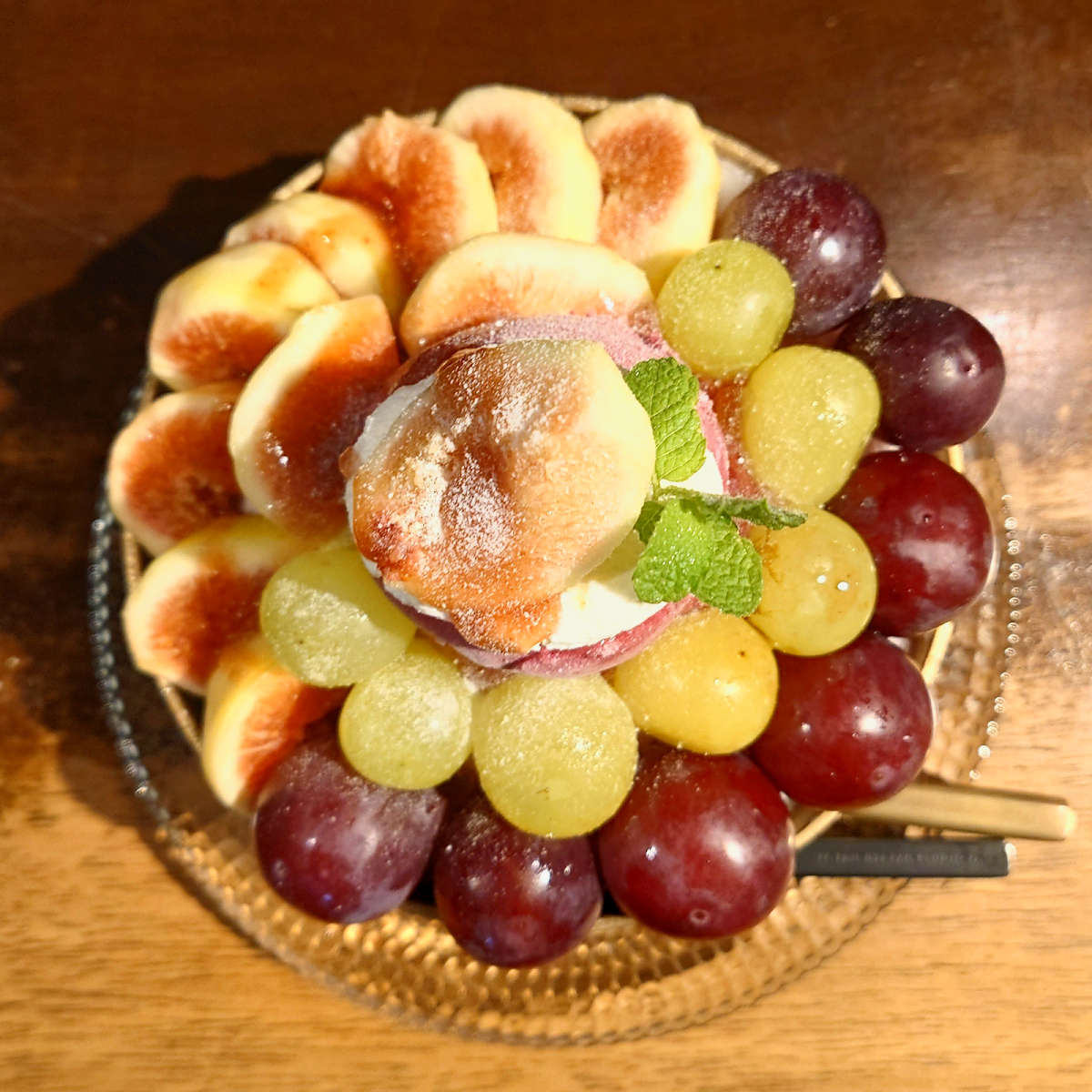
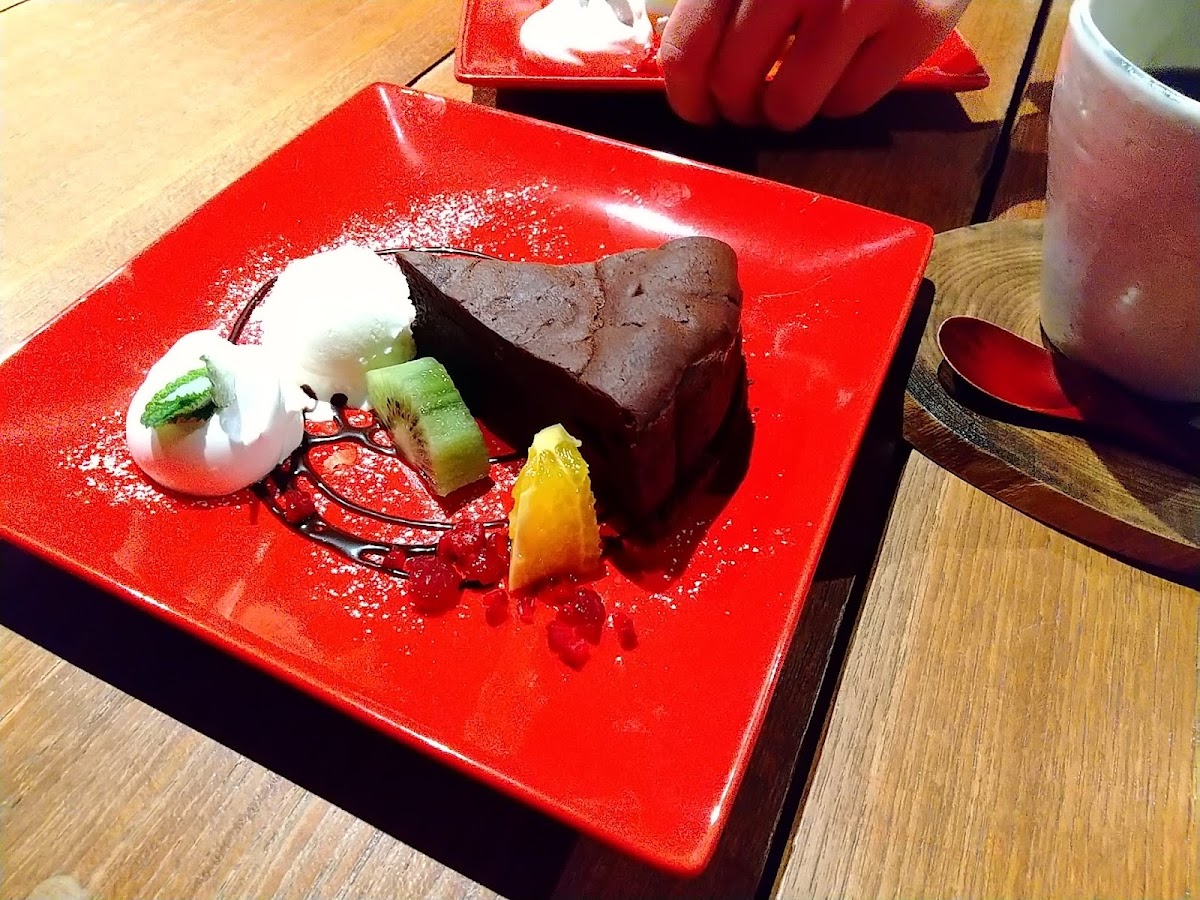
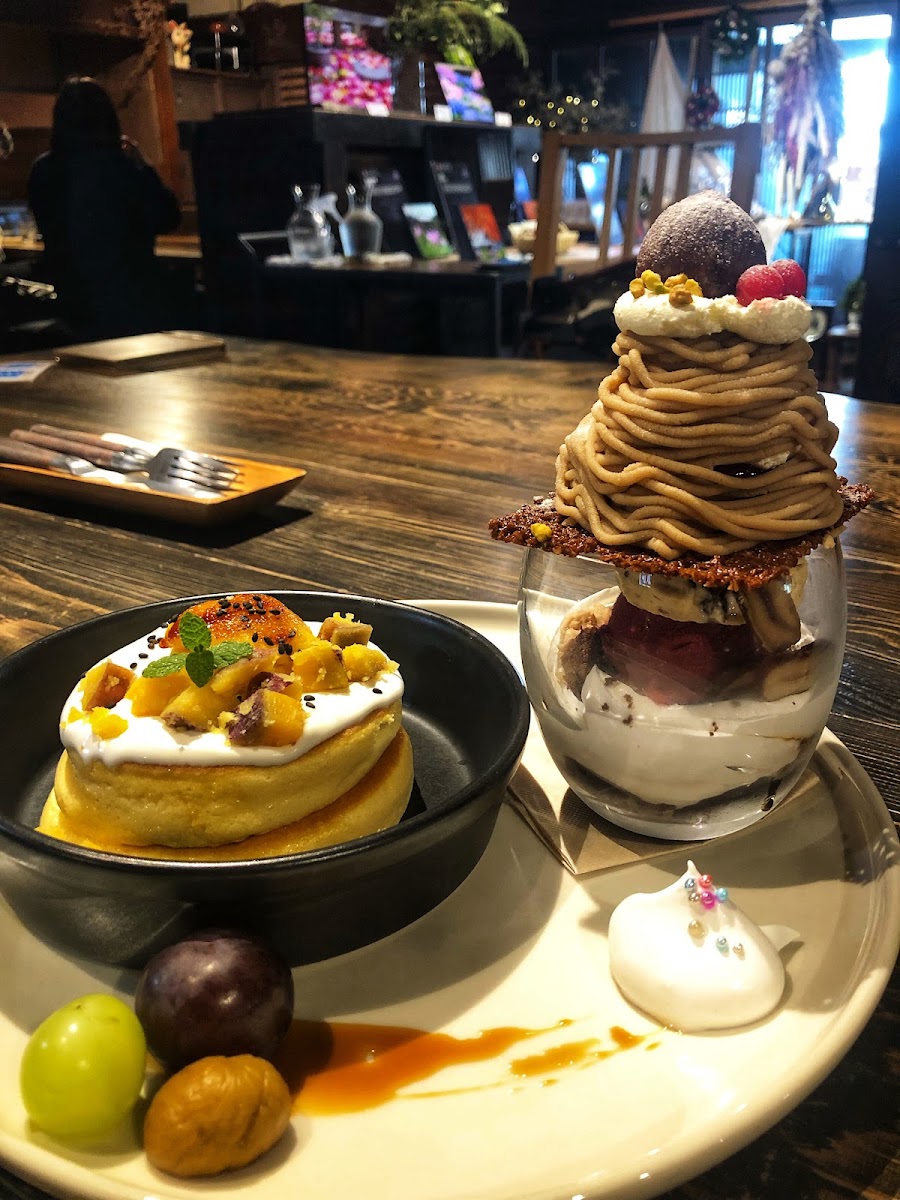
Desserts deserve special mention. Their cakes and sweets rotate depending on the season, often featuring local fruits. During autumn, I tried a persimmon-based dessert that paired beautifully with hand-drip coffee. Japan’s specialty coffee scene has grown significantly over the past decade, with the Specialty Coffee Association reporting rising consumer interest in single-origin beans and artisanal brewing methods. The coffee here is carefully brewed, highlighting aroma and clarity rather than bitterness. It complements the desserts instead of overpowering them.
What also stands out in many reviews is the service. The staff are attentive without hovering, happy to explain the day’s specials or the story behind certain ingredients. That personal interaction builds trust. In hospitality research published by Cornell University’s School of Hotel Administration, personalized service is consistently linked to higher customer satisfaction and repeat visits. From what I’ve seen, this café embodies that principle naturally rather than mechanically.
Location plays a key role too. Asuka is often visited for its historical landmarks like the Ishibutai Tomb and ancient temple sites. After hours of walking through archaeological parks, sitting down here feels restorative. The café’s calm interior contrasts beautifully with the open rural landscape outside. It’s easy to see why travelers searching for authentic dining in Nara add this address to their itinerary.
Of course, it’s worth noting that because the space is limited and the kitchen operates with fresh daily ingredients, some menu items may sell out by mid-afternoon. That’s not a flaw; it’s a sign of small-batch preparation. Still, if you’re planning a visit on a weekend or during peak tourist seasons, arriving early is a smart move.
Overall, the experience blends tradition, local agriculture, and thoughtful cooking into something that feels genuinely rooted in its surroundings. Whether you’re exploring Nara’s countryside or simply looking for a memorable lunch spot with character, this café delivers a meal that feels both grounded and quietly special.